This post contains affiliate links. If you make a purchase through these links, I may earn a commission at no extra cost to you. Thank you for your support!
Jump to RecipeDid you know coffee’s roots trace all the way back to Ethiopia? Legend has it that a goat herder named Kaldi noticed his goats bursting with energy after munching on coffee cherries. Curious monks then brewed the beans into a drink—and just like that, coffee was born!
From Ethiopia, coffee traveled to the Arabian Peninsula, where it took off in the 15th century. Yemen became the coffee hub, with Sufi monks sipping it to stay awake during prayers. Soon, coffee houses called qahveh khaneh popped up, buzzing with conversation and ideas.
By the 1600s, coffee reached Europe. At first, people were skeptical, but it quickly won them over. Cities like London and Paris were soon dotted with coffee houses—nicknamed “penny universities” because for the price of a cup, you could join lively debates with thinkers and artists.
Coffee Bean 101: Meet Arabica, Robusta & Liberica
Not all coffee beans are created equal! Here’s a quick guide:
- Arabica: Smooth, sweet, and delicate. Grown in high-altitude regions like Brazil, Colombia, and Ethiopia. It’s the bean behind most premium coffees.
- Robusta: Bold, earthy, with a caffeine kick. Thrives in low-altitude areas like Vietnam and Indonesia. Perfect for espresso lovers—it helps create that rich crema on top.
- Liberica: Rare and adventurous! Floral and fruity, it grows mainly in West Africa and Southeast Asia. Great for those craving something unique.
Why We Love Coffee (and Keep Coming Back for More)
Sure, coffee gives us that beloved caffeine boost, but it’s so much more than that. It’s a mood-lifter, a productivity booster, and—let’s be honest—a cozy ritual we can’t live without. Whether we’re grabbing a cup with friends or savoring a quiet morning brew, coffee connects us.
Bonus: Studies suggest moderate coffee drinking may offer health perks, like better brain function and a lower risk of diseases like Parkinson’s, Alzheimer’s, and type 2 diabetes.
The Rise of Home Brewing & Healthier Coffee Trends
More people are skipping the coffee shop and brewing at home—and getting creative with it! Popular methods like cold brew (smooth and gentle on the stomach), espresso (rich and strong), and pour-over (perfect for flavor geeks) are transforming home kitchens into mini cafés.
Health-conscious coffee fans are also swapping in plant-based milks and natural sweeteners like honey or agave. The result? Delicious, customized coffee drinks that fit your lifestyle and wellness goals. From vegan lattes to guilt-free mochas, there’s never been a better time to experiment.
Final Sip: Coffee is more than just a drink—it’s a global love story filled with history, culture, and endless ways to enjoy. So go ahead, pour yourself a cup, and savor the magic!
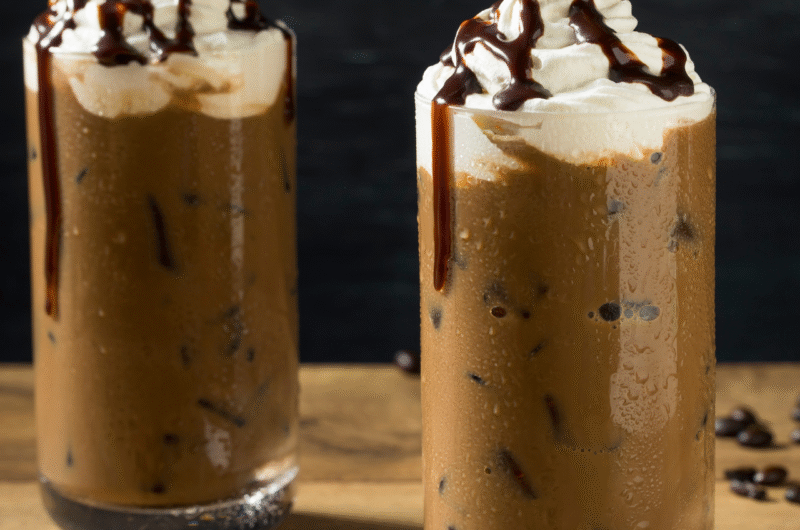
Mocha Iced Coffee
Course: DrinksDifficulty: Easy1
servings5
minutes170
kcalIngredients
½ cup strong brewed coffee (cooled)
½ cup milk (whole milk or almond/oat milk)- If you use plant based milk, calories per serving is approximately 140 kcal
2 tbsp chocolate syrup
1–2 tsp sugar or liquid sweetener (like agave, honey, or stevia to taste) – If you want it sweetener, add about 1-2 tablespoons of your choice of sweetener instead
Ice cubes
Optional: whipped cream, chocolate shavings
Directions
- Stir the coffee, chocolate syrup, and sugar/sweetener in a glass until dissolved.
- Add milk and mix well.
- Fill the glass with ice.
- Top with whipped cream and chocolate shavings if desired.
- Stir and sip!
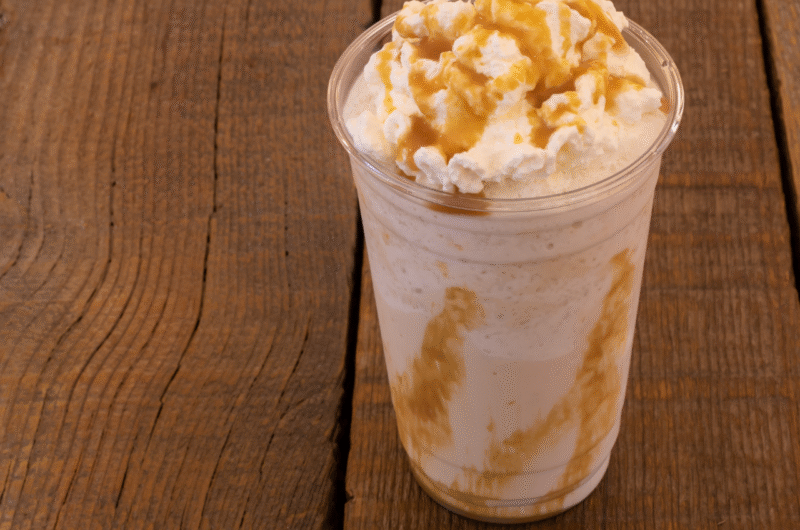
Frozen Caramel White Chocolate Iced Coffee (Frappuccino Style)
Course: DrinksDifficulty: Easy1
servings7
minutes300
kcalIngredients
½ cup strong brewed coffee (cooled or cold brew)
½ cup milk (whole milk or almond/oat milk)-If you use plant based milk, calories per serving is approximately 260 kcal
1 tbsp caramel sauce
1 tbsp white chocolate chips (melted) or 1 tbsp white chocolate syrup
1–2 tsp sugar or sweetener (to taste)-If you want it sweetener, add about 1-2 tablespoons of your choice of sweetener instead
1 ½ cups ice cubes
Optional: ¼ tsp vanilla extract for extra flavor
Optional toppings: whipped cream, caramel drizzle, white chocolate shavings
Pro tip- To make it extra thick and creamy, you can add ¼ cup heavy cream or ½ frozen banana before blending — the banana keeps it dairy-free but still creamy!
Directions
- Melt the white chocolate chips in the microwave for ~15–20 seconds and stir until smooth (or use white chocolate syrup for no-melt convenience).
- Blend the base: In a blender, combine coffee, milk, caramel sauce, melted white chocolate, sugar/sweetener, and vanilla extract (if using).
- Add ice: Add the ice cubes to the blender and blend on high until thick and smooth, about 30–45 seconds.
- Pour and top: Pour into a tall glass. Top with whipped cream, a drizzle of caramel, and sprinkle white chocolate shavings or curls on top if desired.
- Enjoy immediately!
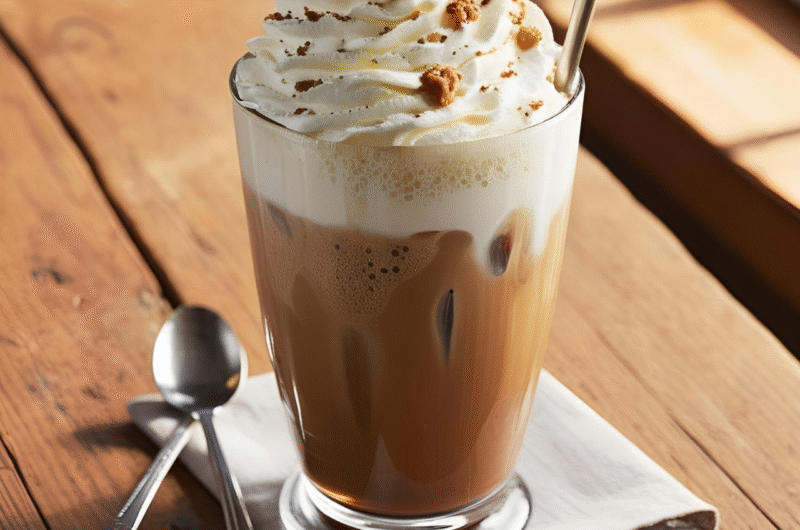
Cookie Butter Iced Coffee
Course: DrinksDifficulty: Easy1
servings5
minutes270
kcalIngredients
½ cup strong brewed coffee (cooled)
½ cup milk (whole milk or almond/oat milk)-If you use plant based milk, calories per serving is approximately 230 kcal
2 tbsp cookie butter (Biscoff spread)
1–2 tsp brown sugar or maple syrup/agave-f you want it sweetener, add about 1-2 tablespoons of your choice of sweetener instead
Ice cubes
Optional: whipped cream, crushed Biscoff cookies
Directions
- Slightly warm the cookie butter in the microwave.
- Whisk together coffee, cookie butter, and brown sugar/sweetener in a glass.
- Add milk and stir well.
- Fill with ice.
- Top with whipped cream and crushed cookies if you want extra indulgence.
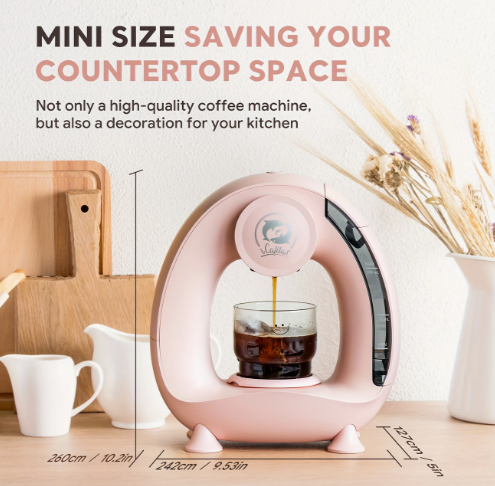
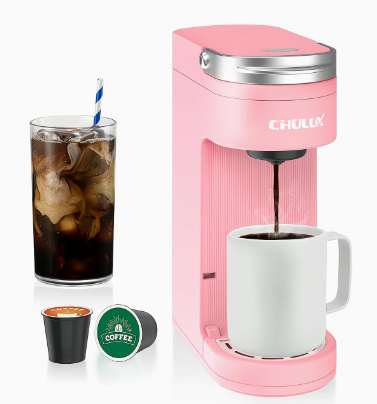
If you’re as passionate about coffee as I am, you know that a great cup starts with the right coffee maker. Our new spring collection showcases coffee makers that come in vibrant colors and are made for compact kitchens. I’ve included affiliate links below so you can easily check them out — and if you decide to purchase, it helps support this blog !